Flowers and Leaves Floral Line Art Svg: A Practical Evaluation
In the realm of digital design and crafting, the selection of appropriate assets is a critical step that influences the final quality of a project. Flowers and Leaves Floral Line Art Svg represents a specific category of vector graphics characterized by minimalistic outlines, botanical motifs, and high-resolution capabilities. For designers, crafters, and small business owners, understanding the utility, limitations, and technical specifications of this type of clipart is essential for making informed purchasing decisions. This evaluation explores the characteristics of these digital files, their application scenarios, and the factors that determine whether they align with specific creative goals.
Understanding the Format and Specifications
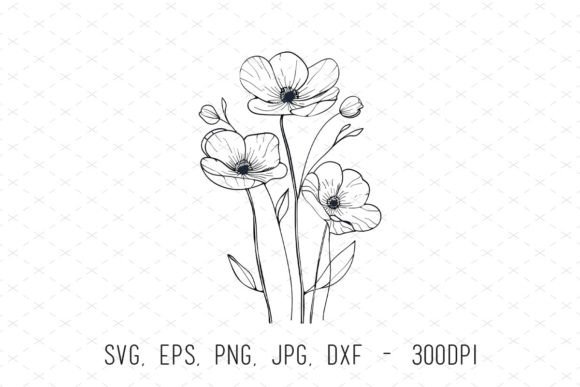
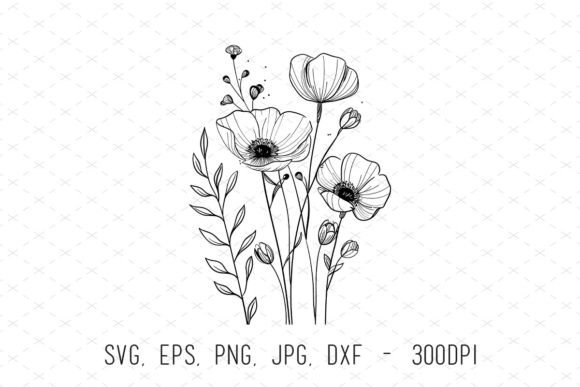
The core value of Flowers and Leaves Floral Line Art Svg lies in its file structure and resolution. Unlike raster images such as standard JPEGs or PNGs, which are composed of pixels, SVG (Scalable Vector Graphics) files utilize mathematical equations to define shapes. This distinction allows the artwork to be resized infinitely without any loss of clarity or sharpness. The specific asset described typically includes a suite of five high-quality files: SVG, EPS, DXF, PNG, and JPG. Each format serves a distinct purpose within the design workflow.
The inclusion of multiple formats addresses the diverse needs of various software environments. The SVG and EPS files are ideal for vector-based editing programs like Adobe Illustrator, CorelDRAW, or Inkscape, allowing users to modify line weights, colors, and individual elements. The DXF format is specifically optimized for cutting machines, such as Cricut or Silhouette Cameo, ensuring precise paths for vinyl cuts or engraving. Meanwhile, the PNG and JPG files provide immediate usability for raster-based applications, web design, or printing on devices that do not support vector formats directly. With dimensions reaching 4200x5800 pixels at 300 DPI, these files meet the industry standard for professional print quality, ensuring that details remain crisp even when printed on large surfaces.
Primary Use Cases and Applications
The versatility of floral line art stems from its neutral aesthetic. Because line art relies on outlines rather than complex shading or vibrant color fills, it integrates seamlessly into a wide array of projects. Common applications include:
- Print-on-Demand Products: These designs are frequently used for sublimation printing on mugs, t-shirts, and tote bags. The clean lines ensure that ink transfers accurately without bleeding.
- Paper Crafts and Stationery: Designers often incorporate these elements into wedding invitations, greeting cards, and scrapbook layouts. The delicate nature of the lines adds an elegant touch without overwhelming text.
- Digital Branding: Web designers may use these assets for website headers, social media graphics, or logo accents, benefiting from the transparent backgrounds that allow for easy layering over different colored sections.
- Home Decor: When printed on canvas, wood signs, or framed paper, the minimalist style fits well within modern, bohemian, or rustic interior design themes.
The ability to manipulate the color palette makes these files particularly attractive for brands requiring consistency across different mediums. A single floral outline can be rendered in black for a classic look or filled with pastel gradients for a softer aesthetic, all while maintaining the structural integrity of the original design.
Benefits and Strategic Advantages
Choosing Flowers and Leaves Floral Line Art Svg offers several strategic advantages for creators. First, the scalability provided by vector formats eliminates the risk of pixelation, a common issue when enlarging raster images. This ensures that a design intended for a small sticker can be adapted for a large wall mural without degradation. Second, the availability of transparent backgrounds streamlines the design process. Users do not need to spend time removing white backgrounds or dealing with unwanted watermarks, allowing them to focus on composition and layout.
Furthermore, the multi-format bundle reduces the need for additional conversions. Having access to DXF files, for instance, saves significant time for those using cutting machines, as the paths are already defined correctly. For professionals managing tight deadlines, this efficiency translates to cost savings and faster turnaround times. The high resolution (300 DPI) also guarantees that the output meets commercial printing standards, reducing the likelihood of rejection by print service providers due to low-quality source files.
Tradeoffs and Considerations
While these assets offer significant utility, there are tradeoffs to consider before acquisition. The primary limitation is the stylistic constraint of line art itself. If a project requires photorealism, heavy textures, or intricate shading, a simple outline may not suffice. Line art conveys elegance and simplicity but lacks the depth and dimensionality of full-color illustrations or photographs. Additionally, while the files are editable, the complexity of the design matters. Highly intricate line work with thousands of nodes may cause processing delays in older cutting machines or result in slower rendering times in web browsers.
Another consideration is the learning curve associated with vector software. To fully leverage the benefits of SVG and EPS files, the user must possess basic proficiency in tools like Adobe Illustrator or free alternatives like Inkscape. Without this knowledge, the ability to customize the design—such as separating individual leaves or adjusting stroke widths—remains underutilized. For beginners who only require a static image for a quick project, the advanced features of the vector files may go unused, potentially making a simpler raster-only purchase more practical.
Situational Fit and Alternatives
Determining whether Flowers and Leaves Floral Line Art Svg is the right choice depends heavily on the specific goals of the project. It is a strong fit for:
- Projects requiring scalability across different product sizes.
- Crafters using cutting machines who need precise path data.
- Designers seeking a minimalist, elegant aesthetic that pairs well with typography.
- Users who intend to customize colors or rearrange elements within the composition.
Conversely, alternatives may be worth considering in the following scenarios:
- Photorealistic Needs: If the design calls for lifelike flowers with detailed petals and shadows, a photographic library or a watercolor-style illustration would be more appropriate.
- Complex Textures: Projects requiring fabric-like textures or grunge effects may benefit from raster-based assets designed specifically for those styles.
- Zero-Edit Requirements: If the user has no intention of modifying the design and simply needs a ready-to-print image, a lower-cost, single-format raster file might be sufficient.
Decision-Making Insights
When evaluating this type of digital asset, potential buyers should first assess their technical capabilities and the end-use of the design. If the workflow involves vector editing or die-cutting, the multi-format bundle provides necessary flexibility. However, if the goal is strictly for low-resolution web use or simple printing where resizing is not required, the premium features of vector files may be unnecessary overhead.
Additionally, reviewing the preview images for complexity is crucial. Ensure that the line weight is suitable for the intended medium; very thin lines may disappear when printed on certain fabrics or cut with specific blade settings. Ultimately, Flowers and Leaves Floral Line Art Svg serves as a robust foundation for a wide range of creative endeavors, provided the user understands its stylistic boundaries and technical requirements. By aligning the asset's capabilities with project constraints, creators can maximize the value of their digital resources and achieve professional results.